



Choose the Right Kitchen Floor for your Los Angeles Home
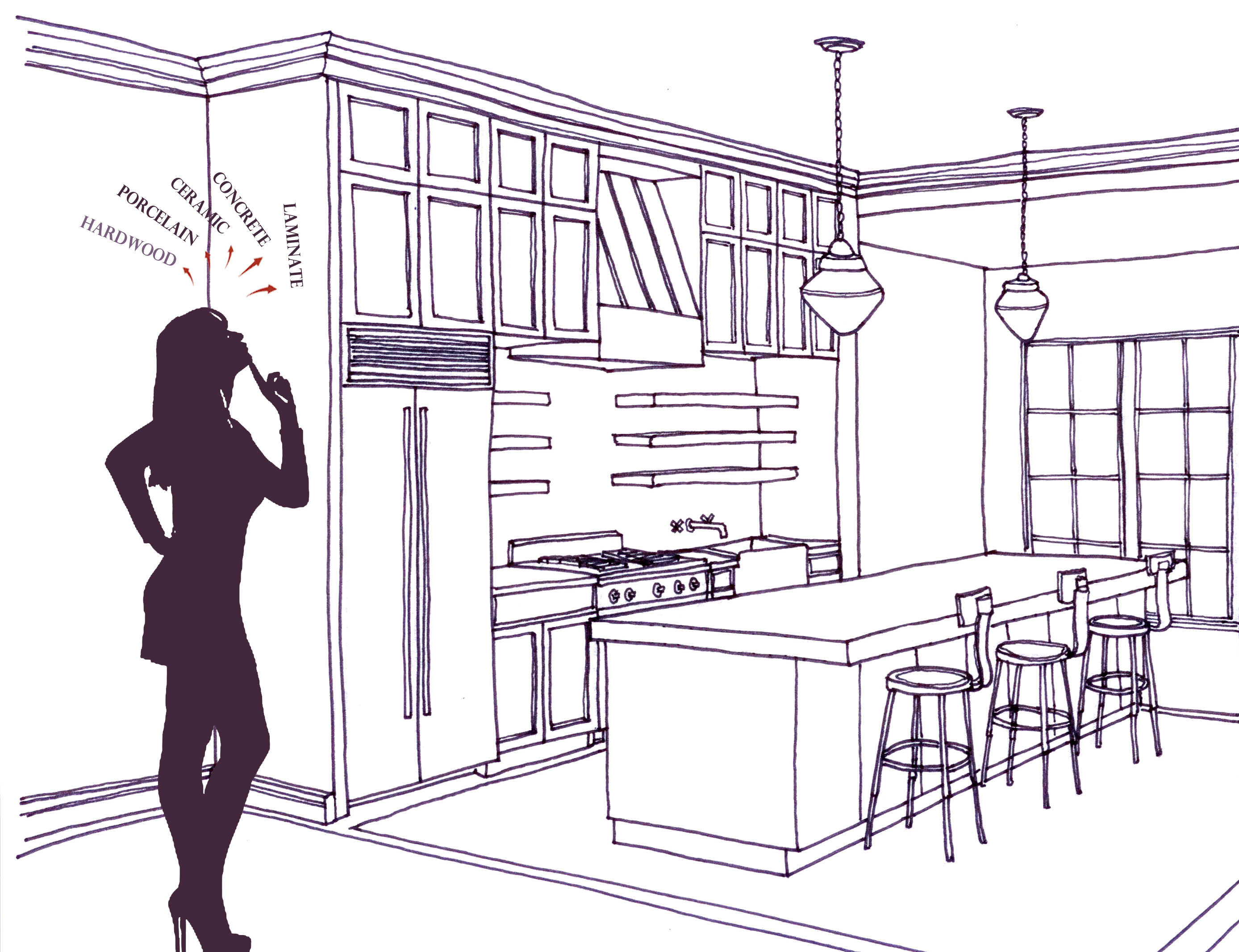
Your kitchen is the focal point of your home. Changing the floor in your kitchen can make a huge and immediate impact to the overall look and feel of your home in Los Angeles. Kitche floors should be durable and easy to clean, but some households are tougher on their floors than others. A family with a 6-pound French Buldog, for instance, won’t be as hard on a floor as one with a 150-pound Great Dane. Similarly, the floors in a household with many active children will likely take more of a beating than those in a kitchen belonging to a couple with no kids.
Follow these easy tips and tricks to select the right kitchen floors for your needs.
CERAMIC TILE: FLOORING
Ceramic tile is a safe bet for nearly any style and budget. Options for color, size, shape and pattern are nearly limitless, so you can create the look that suits your tastes, whether you prefer country or contemporary.
Pros: Ceramic tile is an attractive, affordable, durable and easy-to-clean flooring choice.
Cons: It can be hard and unpleasant to stand on for long periods of time; cushioned mats can be used to offset that discomfort. Tile can crack as floors settle. When wet, tile floors can be slippery. Also grout needs periodic sealing and special cleaning to keep stains away.
Cost: $3 to $8 per square foot, uninstalled.
Natural Stone FLOORING
Whether they’re made from limestone, slate, granite or travertine, natural stone floors have one major asset: their variation. No two pieces of stone have exactly the same color, pattern or texture, and the differences create a visual depth that’s hard to replicate. Stone also creates an elegant, gracious look that instantly makes a kitchen feel more upscale.
Pros: Stone floors have been around for centuries, so it doesn’t get more classic than this. Like tile and concrete, they’re cool underfoot, a boon in hot climates. They’re durable and require little day-to-day maintenance. And did we mention the natural beauty?
Cons: Stone is expensive and not for the DIY-minded. The tiny crannies in its surface can trap dirt. Scratches and chips can be an issue with softer stone, such as travertine; slate’s layers have been known to peel over time. Porous stone will need protective sealing at regular intervals.
Cost: About $15 to $30 per square foot,
Porcelain tile flooring
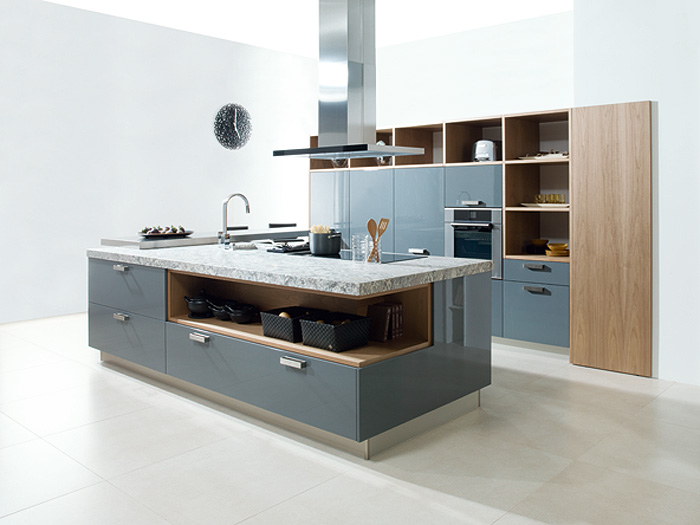
Porcelain tile is a subtype of ceramic tile and comes in countless shapes, colors and styles.
Pros: Porcelain tile is created with color all the way through the tile, so damage is less likely to show. Manufacturers such as Emser, Marazzi and Anatolia are increasingly using new high-definition printing techniques to create tiles that are replications of materials such as hardwood and natural stone. “The tile goes through 15 or 16 screenings, and the results are so realistic that you really have to get close up to see if it’s wood, marble or tile,” says Petrie.
Cons: The tiles are even harder than ceramic, so standing on them for long periods of time can be uncomfortable. Grout requires periodic sealing and special cleaning to keep it looking fresh.
Cost: For basic porcelain tiles, expect to pay $2 to $4 per square foot, uninstalled. Specialty porcelain tiles generally cost $6 to $14 per square foot, with hand-painted tiles costing upward of $75 per piece.
Cork floors
Sustainably harvested and all natural, cork has grown in popularity in recent years. While its distinctive look isn’t for everyone, people who love it appreciate its strong patterns and texture, its warm look and its ecofriendliness.
Pros: Resilient and flexible, cork provides a great deal of comfort underfoot, and it can absorb the shock from a dropped plate or cup (translation: less chance of breakage). It holds warmth and absorbs sound, lending a cozy feel. And it’s rich in suberin, a natural substance that guards against mold, mildew, rot and pests.
Cons: Cork holds up well, but not without a little TLC. Because dirt and grit can scar it, you’ll need to stay on top of sweeping and vacuuming, and you will also need to reseal it regularly with polyurethane or wax. Small dings, such as from a dropped knife, will “heal” on their own, but major scars are harder to fix. Cork also can fade over time.
Cost: About $2 to $12 per square foot, uninstalled.
Hardwood flooring
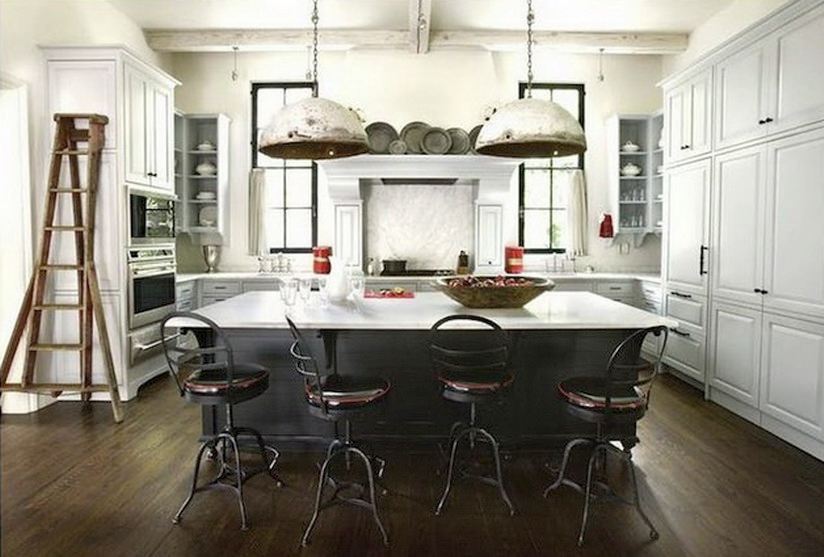
Wood flooring has made a major comeback in both new and remodeled homes. From Petrie’s perspective, wood’s popularity has always been strong — especially oak, maple, cherry and mahogany.
Pros: Wood floors are comfortable underfoot and have a warm appearance that seamlessly blends the kitchen with adjacent living spaces. They’re considered a good investment, often increasing the value of a home.
Cons: Wood floors are susceptible to water damage and scratches. Floors can be finished with oil and wax, but this finish is less resilient in a kitchen setting and requires regular waxing. Wood flooring that is factory-pretreated is often a more durable choice for a kitchen. Wood floors in kitchens typically need to be resealed every five or six years.
You’ll have to stay on top of spills; liquids can cause damage if they’re not wiped up right away. Wood dents and scratches easily, so it will need periodic refinishing. Although it’s not as unyielding as concrete or tile, it also isn’t as comfortable as cork or vinyl.
Cost: About $4 to $12 per square foot, uninstalled.
Concrete floors
Concrete can be a beautiful, low-maintenance and sustainable option for residential kitchens.
Pros: Concrete flooring is tough. While it’s possible to scratch or chip a concrete surface, you’d have to work pretty hard at it. A sealed and properly maintained concrete floor can last indefinitely. Concrete can be mixed and set to achieve an endless variety of color and textural effects.
Cons: Concrete floors are hard — if you drop a plate on one, it’s likely to break. They can also be uncomfortable to stand on for long periods of time. Concrete floors need to be sealed or waxed every three to nine months, depending upon the level of traffic.
Cost: Expect to pay $3 to $6 per square foot to polish a plain gray slab to an attractive sheen; more elaborate stains and scoring will cost anywhere from $5 to upward of $17 per square foot.
Bamboo Flooring
Although bamboo looks like wood, it’s actually a grass. So you might be surprised at how durable bamboo flooring can be. Its density allows it to stand up to busy spaces and active lifestyles. It has become popular in recent years not only for its sturdiness, but also for its affordability relative to hardwood and for its subtle, variegated appearance.
Pros: Bamboo grows so quickly that it’s considered a sustainable choice for green building. It’s low maintenance, requiring no special care, and springier underfoot than wood. And it lends a touch of worldly style without the expense of a tropical or other exotic hardwood.
Cons: The range of color choices is narrower than with traditional woods. It isn’t as moisture resistant as many other materials — in high-humidity climates or spaces, it can warp. Much of the bamboo on the market is imported from countries that may have less stringent quality regulations than in the United States, so it’s important to research sources.
___________________________________________________________________________________
Good luck with your project and wish you to enjoy your family kitchen as you will have many important moments shared with the family in and around your new fabulous and complete kitchen within your home…
If you interested in more information for your upcoming kitchen flooring project in Los Angeles contact Cosmos Flooring at (323) 936-2180 tell them a bit about your project. COSMOS Flooring will create a free Project Estimate for you. There is no purchase required, no deposit, and no obligations of any kind. They use our experience and expertise to provide competitive custom estimates suitable for your needs, desires and budget. At Cosmos Flooring they hold customer satisfaction as their number one goal.