



Porcelain Tile vs Natural Stone – A guide from Los Angeles’ best Tile & Flooring store
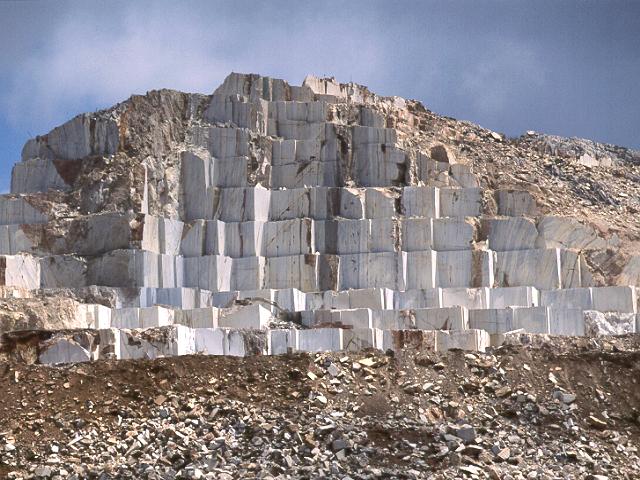
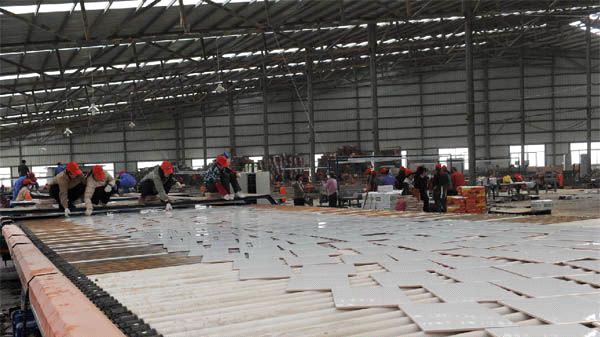
Spring and beginning of summer is a perfect time to start a remodeling or flooring project in Los Angeles. Maybe by this time you need to update the flooring throughout your home in LA or remodel your kitchen or bathroom? Today there are so many materials to choose from. When you are looking into hard surface flooring, there are two main contenders that you will find vying for space in your kitchen: natural stone and ceramic tiles. Both of these products have a lot in common, and to an untrained eye there might not be much of a difference between these two types of flooring. However, there are some subtle yet important differences between the two that any informed consumer should be aware of. Does this Spark an idea?
Moisture –
Stones are more porous so they “breathe”, absorbing moisture from the atmosphere – and any spills! Thus, they need to be finished with a penetrating sealer which will still allow them to exhibit their natural breathing properties but at the same time, prevent any staining. Moisture transmission can cause stone, especially larger stone pieces, to discolour due to the hydrostatic pressure within the slab.
Uniformity –
If you want a tiled floor that always looks neat and clean, then ceramic tile will be an easy choice, as it features uniform design that is free of the variances of natural stone. Though the uniqueness guaranteed by natural stone can be appealing, it can make large rooms seem busy and can be overwhelming to the eye. Ceramic tile provides a stable and uniform design that ensures a simplistic look.
Appearance –
Natural stone will inevitably harbour flaws and fissures and uneven tone, as well as some pitting in certain types of stone, such as granite. Every piece is unique and large pieces will not have a consistent appearance across the surface. Ceramic, on the other hand, can offer you a reliable consistency and uniformity in appearance.
Maintenance –
Stone flooring generally requires more maintenance. Aside from needing a grout release before installation, stone floors will also need a sealer applied after installation. This sealer will need to be penetrating or impregnating and be re-applied regularly over the course of the stone floor’s lifetime. Lastly, stone floors will need to be professionally deep-cleaned on a periodic basis.
Installation Stone and ceramic floors are installed in different ways. Ceramic floors, conversely, are installed using a thin-set method, using a 3/16″ or greater grout joint. The differences in installation are also reflected in costs with natural stone tiles and even tiles being more expensive than ceramic to install. This is because of the greater difficulty in stone floor installation, especially the tighter grout joint.
Installation Costs –
Without a doubt ceramic tile is the least expensive to install, it has great forgivingness and can be installed with the simplest of thinsets. Porcelain takes more care, requires more expensive thinsets, more expensive tools and much more careful installation due to the nature of the material and it’s resistance to adhesion unless it is installed correctly. Stone is by far the most expensive to install, with additional labor required for pre-sealing of the stone if required, the thicker thinsets because of the irregularity of the material and the more expensive thinsets required. It’s probably not common knowledge to homeowners but some marble will actually curl and warp if the wrong thinset is applied to it.
Resistance –
Although natural stone is expected to be harder, it is not as resistant as ceramic in certain situations. For example, many types of slate are not frost-resistant and will literally “Crack” in freeze-thaw conditions and thus are not suitable for outdoor use in winter weather. Note, of course, that some slates are weather resistant – which is why slate roofs are often used in countries with cold climates. Similarly, some ceramics are not suitable for outdoors use but anything with less than 3% absorption rate can be safely used outdoors, for example porcelain tiles which tend to have a 0.5% absorption rate.
Another situation where natural stone may not perform as well as ceramic is in resistance to wear and tear. Granite, for example, is the hardest type of stone but a natural porcelain tile can actually be up to 30% harder than granite. Furthermore, polished stones can be scratched and dull easily, and become difficult to clean.
Stain
Granites typically have superior resistance against staining. However, many common household products will stain or etch stone, yet most will have little or no effect on ceramic tile. For instance, an ice cold glass of water can etch ring on White Carrara marble. Vinegar, ketchup, mustard, fruit juice or wine will etch many stones. Again, look at sealant manufacturers websites for info on how to minimize (not eliminate) staining and etching.
Cost
There is a difference in cost between natural stone and ceramic with natural stone usually much more expensive, especially when considering the more “exotic” options such as granite and marble. This is partly because stone has a higher perceived intrinsic value and therefore gives more of a “premium” luxury look – and partly also because of the additional difficulty of installation.
In many instances, particularly if you are on a tight budget, ceramic might be the better choice. However, it is undeniable that it is hard to match the timeless beauty of natural stone.
| PORCELAIN TILE | NATURAL STONE |
|---|---|
| Less Porous | More Porous |
| Less Absorption | Greater Absorption |
| Smaller Water Stain | Larger Water Stain |
| More Resistance | Less Resistance |
| Easy to cut | Difficult to cut |
| Less Thick | Thicker |
| Light framework | Heavy framework |
| Less expensive freight | More expensive freight |
| Less expensive labor | More expensive labor |
| Less expensive laying system | More expensive laying system |
| Stains less | Stains more |
| Scratches less | Scratches more |
| Ecologically Correct | Ecologically destructive |